Java Is Object-Oriented

To some, object-oriented programming (OOP) technique is merely a way of organizing programs, and it can be accomplished using any language. Working with a real object-oriented language and programming environment, however, enables you to take full advantage of object- oriented methodology and its capabilities of creating flexible, modular programs and reusing code. Many of Java’s … Read more
Why Learn Java?

Java as a language has significant advantages over other languages and other programming environments that make it suitable for just about any programming task. This section describes some of those advantages. Java Is Platform-Independent Platform independence is one of the most significant advantages that Java has over other programming languages, particularly for systems that need … Read more

Java’s Past, Present, and Future

The Java language was developed at Sun Microsystems in 1991 as part of a research project to develop software for consumer electronics devices—television sets, VCRs, toasters, and the other sorts of machines you can buy at any department store. Java’s goals at that time were to be small, fast, efficient, and easily portable to a … Read more

What Is Java?

Java was originally a programming language invented by Sun Microsystems, by James Gosling. Today Oracle owns Sun, and therefore Java too. Java is thus Oracle’s trademark. Over time Java has evolved into more than just a language. It is a full platform with lots of standard APIs, open source APIs, tools, a big developer community … Read more

why java is secure?

Main focus in this post is the security features of the Java programming language. What makes java more secure than other languages?   1. Doesn’t use pointers as other languages do Programming languages- notably C/C++ languages- use pointer values to manage application memory and safeguard data against data thieves. Although these pointers are secure to … Read more

ActiveX Controls

ActiveX controls are a much more heavyweight technology than Java applets. They are effectively native Win32 executables that, once accepted and installed by the user, execute with the full privileges of that user and can carry out arbitrary actions, including interacting with the operating system. ActiveX can be used to implement practically any client-side control, … Read more

Capturing User Data: Thick-Client Components

Besides HTML forms, the other main method for capturing, validating, and submitting user data is to use a thick-client component. The technologies you are most likely to encounter here are Java applets, ActiveX controls, and Shockwave Flash objects. Thick-client components can capture data in various different ways, both via input forms and in some cases … Read more

The Constant Pool

We said  that the constant pool contains a great deal of information. In fact it contains an interesting mixture of items. The constant pool combines the function of a symbol table for linking purposes as well as a repository for constant values and string literals present in the source code. It may be considered as … Read more

Components of Java

There are a number of different components to Java: 1. Development environment The Java 2 SDK contains the tools and executable code needed to compile and test Java programs. However, unlike a normal language, the Java 2 SDK includes object frameworks for creating graphical user interfaces, for networking and for complex I/O. Normally, in other … Read more

Types of programming languages

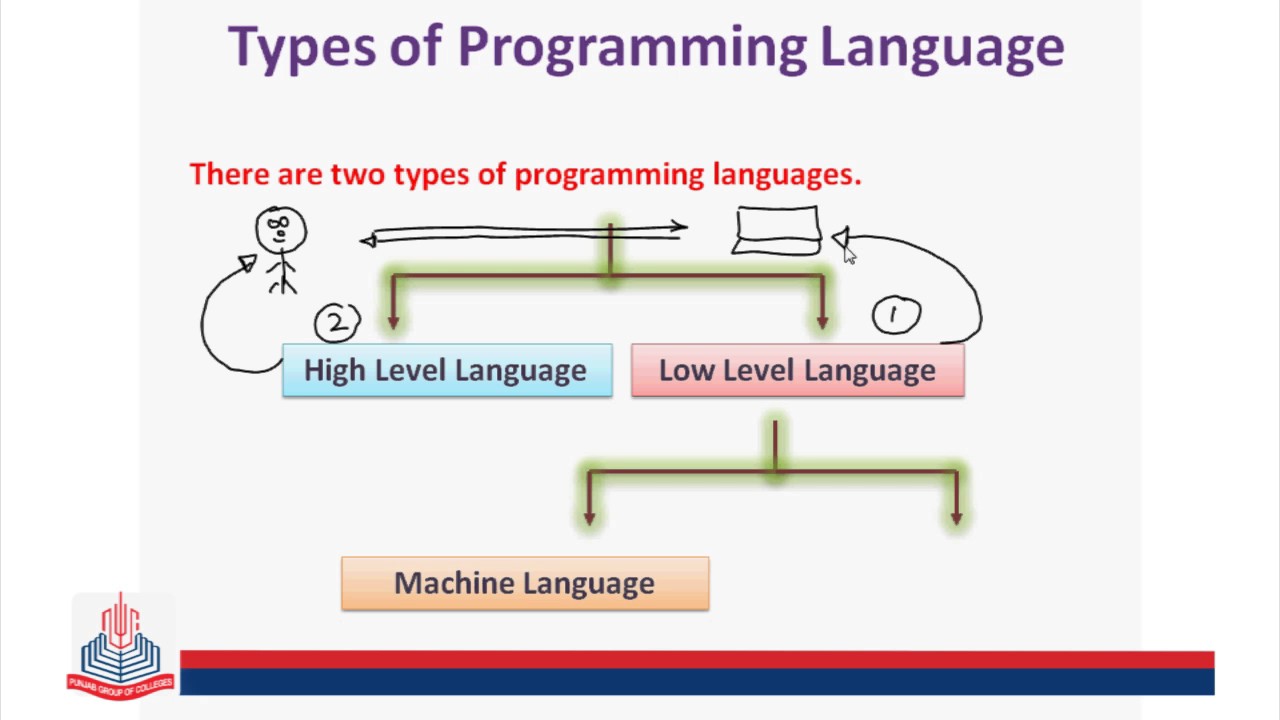
Programming languages A programming language is a means of communication for the user to communicate with the computer system. The programming language is a set of instructions which tells the computer what to do. This is a language which is understood by both man and machine. There are a number of programming languages. However all … Read more