C Program to Find Factorial of a Number
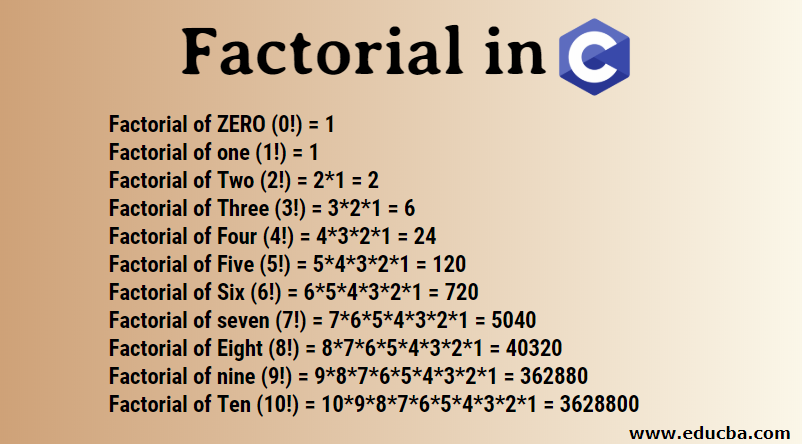
Program to find Factorial of a Number using Recursion

The factorial of a positive number n is given by: factorial of n (n!) = 1 * 2 * 3 * 4….n The factorial of a negative number doesn’t exist. And, the factorial of 0 is 1. Factorial of a Number   #include <stdio.h>   int main() {   int n, i;   unsigned long … Read more

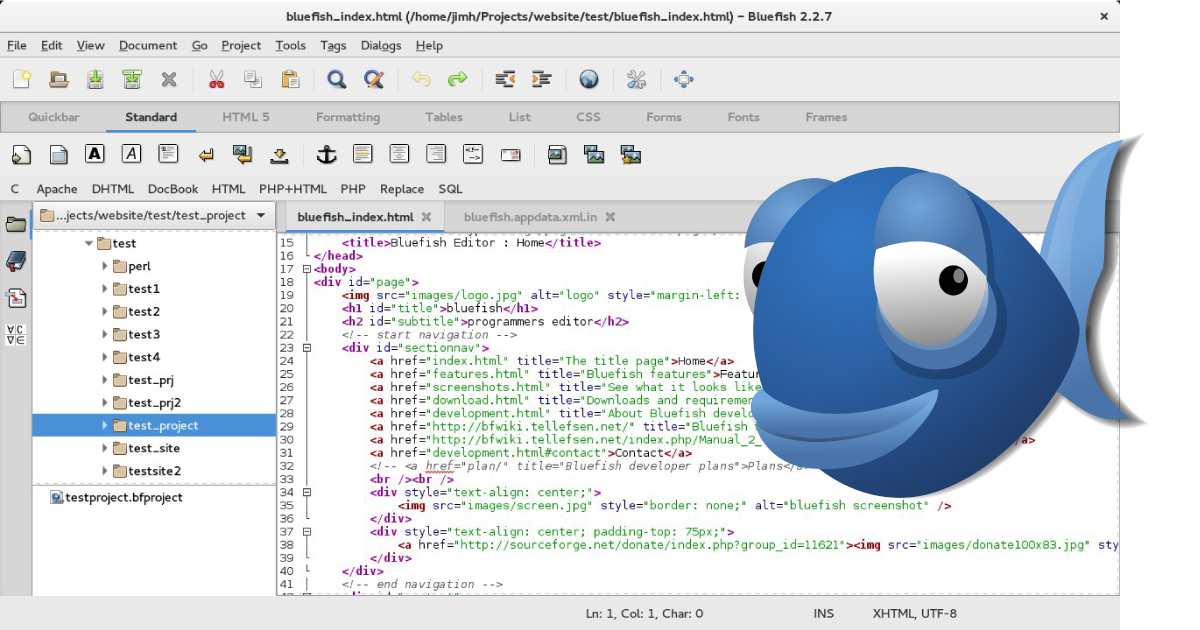
install Bluefish on centos

Bluefish is a free and open source software that text editor with a variety of tools for programming and development of dynamic websites. It supports HTML, XHTML, CSS, XML, PHP, C, C++, JavaScript, Java, Ada, D, SQL, etc. It can be also used via integration with GNOME or as a standalone application. This tutorial covers … Read more

Install LibreOffice on CentOS

1. Download LibreOffice Linux Package LibreOffice  64-bit version wget http://download.documentfoundation.org/libreoffice/stable/6.1.3/rpm/x86_64/LibreOffice_6.1.3_Linux_x86-64_rpm.tar.gz LibreOffice  32-bit version wget http://download.documentfoundation.org/libreoffice/stable/6.1.3/rpm/x86/LibreOffice_6.1.3_Linux_x86_rpm.tar.gz 2. Change to root User su – ## OR ## sudo -i 3. Extract LibreOffice Package and Access Directory LibreOffice tar -xvf LibreOffice_* cd LibreOffice_* LibreOffice tar -xvf LibreOffice_* cd LibreOffice_*   4. Install / Update LibreOffice RPM packages Install … Read more

The History of the Internet

Before there was the public internet there was the internet’s forerunner ARPAnet or Advanced Research Projects Agency Networks. ARPAnet was funded by the United States military after the cold war with the aim of having a military command and control center that could withstand a nuclear attack. The point was to distribute information between geographically … Read more

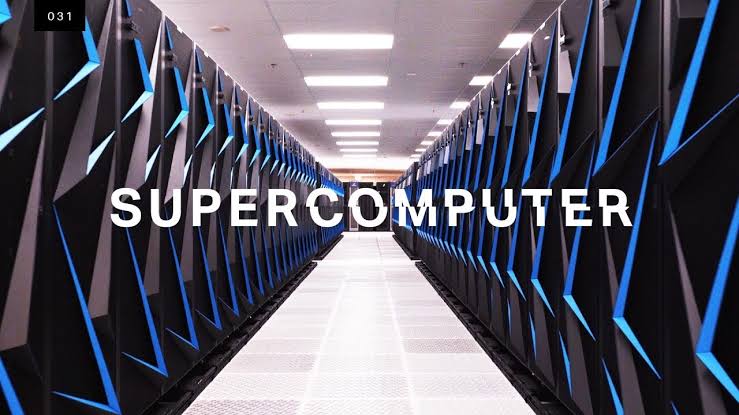
History of Supercomputers

Many of us are familiar with computers. You’re likely using one now to read this blog post as devices such as laptops, smartphones and tablets are essentially the same underlying computing technology. Supercomputers, on the other hand, are somewhat esoteric as they’re often thought of as hulking, costly, energy-sucking machines developed, by and large, for … Read more

Computer memory history

Year Event 1837 Charles Babbage first purposed the Analytical Engine, which was the first computer to use punch cards as memory and a way to program the computer. 1932 Gustav Tauschek developed drum memory in 1932. 1942 John Atanasoff successfully tests the ABC (Atanasoff-Berry Computer) which was the first computer to use regenerative capacitor drum … Read more

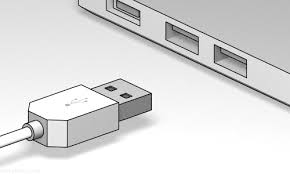
Computer USB history

Year Event 1994 In December 1994, the very first version of USB was released as USB 0.8. Considered a pre-release version, it was not available to the commercial market. 1995 USB 0.9 was released in April 1995 and like USB 0.8, it was a pre-release version and not available commercially. 1995 Another pre-release version, USB … Read more

Computer hard drive history

Year Event 1890 Herman Hollerith developed a method for machines to record and store information onto punch cards to be used for the US census. He later formed the company we know as IBM today. 1946 Freddie Williams applies for a patent on his CRT (cathode ray tube) storing device in December. The device that … Read more

Computer processor history

Year Event 1823 Baron Jons Jackob Berzelius discovers silicon (Si), which today is the basic component of processors. 1903 Nikola Tesla patented electrical logic circuits called “gates” or “switches” in 1903. 1947 John Bardeen, Walter Brattain, and William Shockley invent the first transistor at the Bell Laboratories on December 23, 1947. 1948 John Bardeen, Walter … Read more