The Enchanting Story of Mango
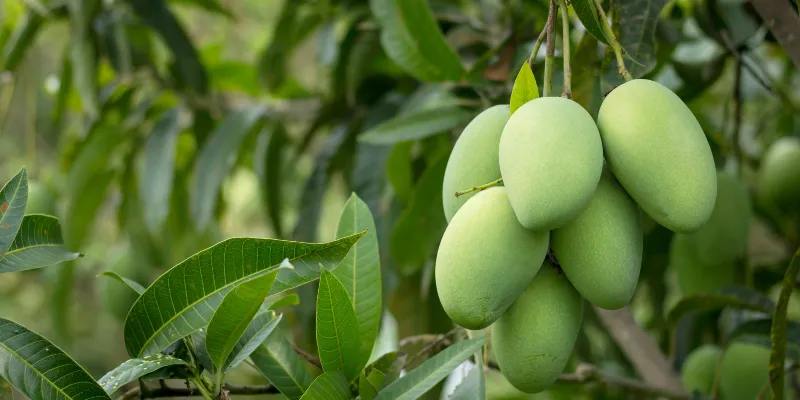
Mango, often referred to as the ‘king of Indian fruits’, holds a special place in the hearts of millions. This beloved fruit is not just a seasonal delight but a cultural icon, celebrated in literature, art, and festivals throughout India. Let’s delve into the fascinating story of mango, its varieties, significance, and health benefits.
A Glimpse into Mango’s History
Originating from the Indian subcontinent over 4,000 years ago, the mango has a rich history intertwined with Indian culture. Ancient texts and scriptures, including the Vedas, mention mangoes, marking their importance in traditional rituals and celebrations. Over the centuries, mangoes spread across the globe, becoming popular in tropical and subtropical regions.
Mythology and Folklore
Mangoes are often associated with various myths and legends in India. In Hindu mythology, the mango tree is considered sacred, symbolizing love and fertility. The fruit is often offered to deities during worship, signifying its revered status. Additionally, stories of divine love, such as that between Lord Krishna and Radha, often feature mangoes as a symbol of romance.
Varieties of Mango
India is home to over 1,000 different varieties of mangoes, each with its unique flavor, texture, and aroma. Here are some of the most popular ones:
- Alphonso: Known for its rich sweetness and smooth texture, Alphonso is often considered the best mango in the world.
- Kesar: With its vibrant yellow color and fragrant aroma, Kesar is a favorite for making desserts and ice creams.
- Dasheri: This variety is known for its fiberless, sweet flesh and is often enjoyed fresh.
- Langra: Famous for its tangy flavor and green skin, Langra is a popular choice in northern India.
- Himsagar: A lesser-known variety, Himsagar is celebrated for its juicy pulp and delightful sweetness.
The Nutritional Benefits of Mango
Mangoes are not just delicious; they are also packed with nutrients. Here are some of the health benefits of this tropical delight:
- Rich in Vitamins: Mangoes are an excellent source of vitamin C, which boosts immunity and promotes healthy skin.
- High in Antioxidants: They contain various antioxidants that help combat oxidative stress and reduce the risk of chronic diseases.
- Good for Digestion: The fiber content in mangoes aids digestion and promotes gut health.
- Supports Eye Health: With high levels of vitamin A, mangoes contribute to good vision and eye health.
Mango in Indian Culture
Mangoes play an integral role in Indian culture and traditions. During the summer months, families gather to enjoy ripe mangoes, often engaging in friendly competitions to see who can eat the most! Mangoes are also used in various culinary delights, from chutneys to pickles, and even in beverages like aam panna and mango lassi.
Festivals Celebrating Mangoes
In India, mangoes are celebrated during various festivals, such as:
- Mango Festival: Held in different states, this festival showcases the diverse varieties of mangoes and includes tasting events, cultural performances, and competitions.
- Rathyatra: In some regions, mangoes are offered to deities during this festival, symbolizing abundance and prosperity.
Conclusion
The mango, with its sweet taste and rich history, truly deserves its title as the king of Indian fruits. Whether enjoyed fresh, in desserts, or as part of a traditional dish, mangoes hold a special place in the hearts of many. So, the next time you savor this delicious fruit, remember the cultural significance and the joy it brings to countless people across India.