
Types of programming languages

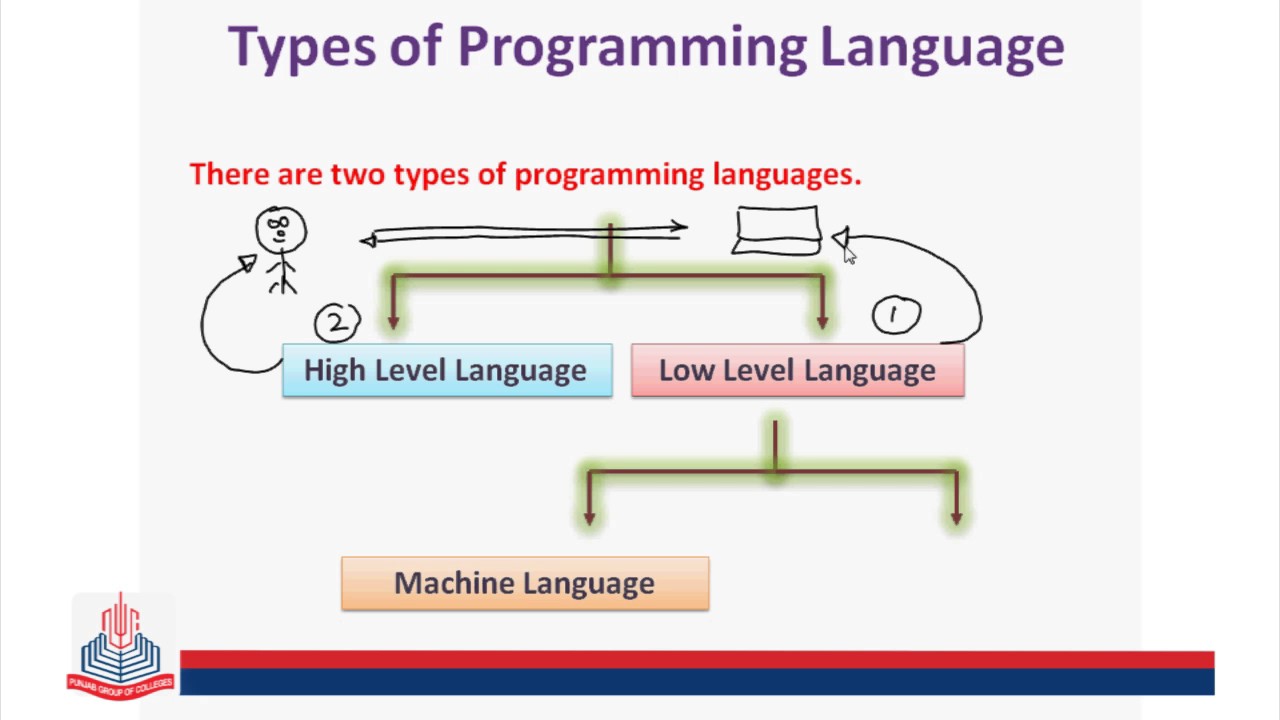
Programming languages A programming language is a means of communication for the user to communicate with the computer system. The programming language is a set of instructions which tells the computer what to do. This is a language which is understood by both man and machine. There are a number of programming languages. However all … Read more

C Program to Find the Largest Number Among Three Numbers

Using if Statement #include <stdio.h> int main() { double n1, n2, n3; printf(“Enter three different numbers: “); scanf(“%lf %lf %lf”, &n1, &n2, &n3); if (n1 >= n2 && n1 >= n3) printf(“%.2f is the largest number.”, n1); if (n2 >= n1 && n2 >= n3) printf(“%.2f is the largest number.”, n2); if (n3 >= n1 … Read more

install Bluefish on centos

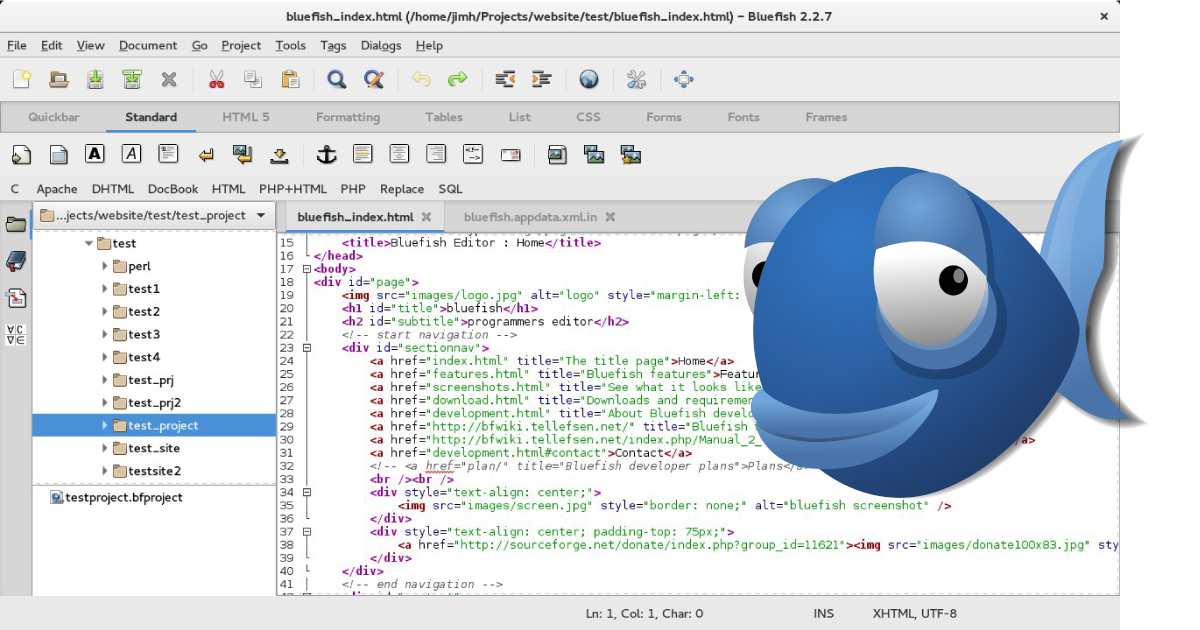
Bluefish is a free and open source software that text editor with a variety of tools for programming and development of dynamic websites. It supports HTML, XHTML, CSS, XML, PHP, C, C++, JavaScript, Java, Ada, D, SQL, etc. It can be also used via integration with GNOME or as a standalone application. This tutorial covers … Read more

Matrix multiplication program in C

c program for two-dimensional arrays

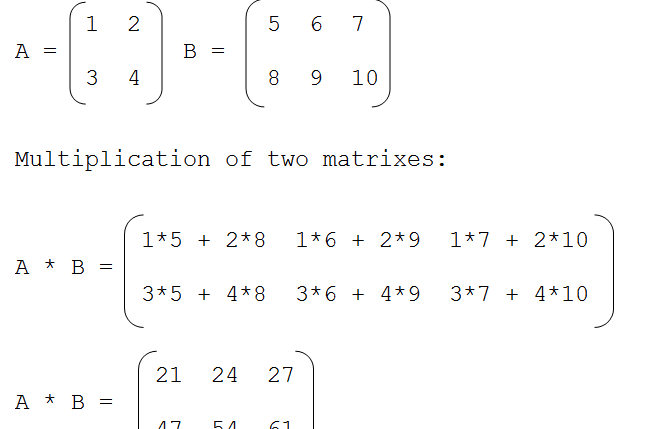
Matrix multiplication program in C Matrix multiplication in C language to calculate the product of two matrices (two-dimensional arrays). A user inputs the orders and elements of the matrices. If the multiplication isn’t possible, an error message is displayed. You may have studied the method to multiply matrices in Mathematics. Matrix multiplication in C language … Read more

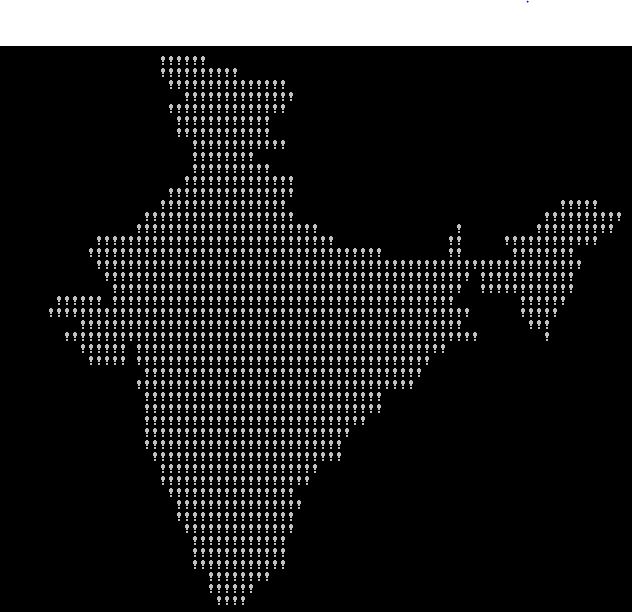
C program to print map of India [ C Tutorials ]

The string is a run-length encoding of the map of India. Alternating characters in the string stores how many times to draw a space, and how many times to draw an exclamation mark consecutively.

// C program to print map of India
#include <stdio.h>

int main()
{
int a = 10, b = 0, c = 10;

// The encoded string after removing first 31 characters
// Its individual characters determine how many spaces
// or exclamation marks to draw consecutively.
char* str = “TFy!QJu ROo TNn(ROo)SLq SLq ULo+UHs UJq ”
“TNn*RPn/QPbEWS_JSWQAIJO^NBELPeHBFHT}TnALVlBL”
“OFAkHFOuFETpHCStHAUFAgcEAelclcn^r^r\\tZvYxXyT|S~Pn SPm ”
“SOn TNn ULo0ULo#ULo-WHq!WFs XDt!”;

while (a != 0)
{
// read each character of encoded string
a = str[b++];
while (a– > 64)
{
if (++c == 90) // ‘Z’ is 90 in ascii
{
// reset c to 10 when the end of line is reached
c = 10;     // ‘\n’ is 10 in ascii

// print newline
putchar(‘\n’); // or putchar(c);
}
else
{
// draw the appropriate character
// depending on whether b is even or odd
if (b % 2 == 0)
putchar(‘!’);
else
putchar(‘ ‘);
}
}
}

return 0;
}